Funny Skeleton SVG Fairy Skeleton Review
As a designer who has spent years translating digital graphics into tangible stitched products, I approach every new machine embroidery design with a critical eye. The market is flooded with trendy files, but few actually hold up under the scrutiny of a real-world project. When I first opened the Funny Skeleton SVG Fairy Skeleton SVG, I was immediately drawn to its whimsical energy. It sits at that perfect intersection of spooky and sweet, making it an intriguing candidate for the upcoming autumn season or even year-round gothic-chic collections. However, a pretty file on a screen does not guarantee a beautiful finished product. Let’s dig into how this specific graphic translates from a digital asset to a physical piece of art.
First Impressions: Mood and Visual Personality
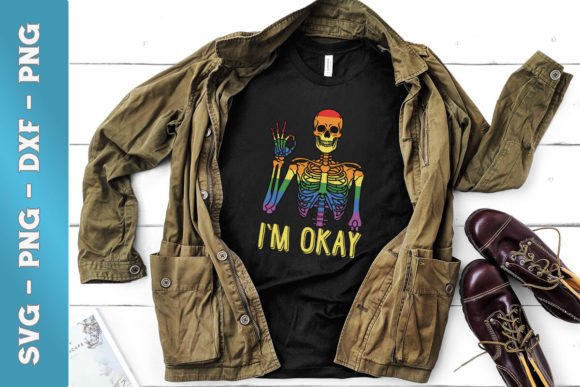
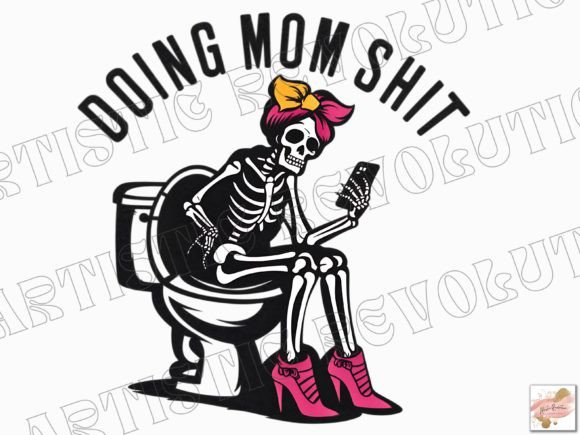
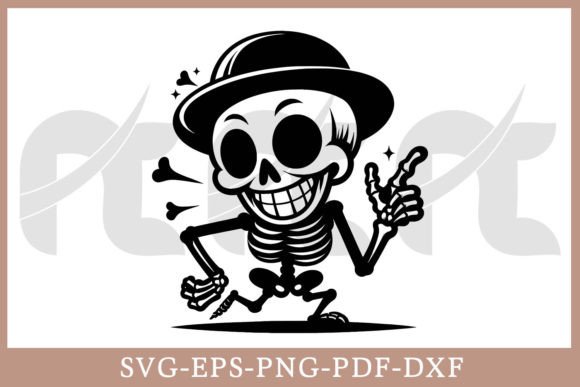
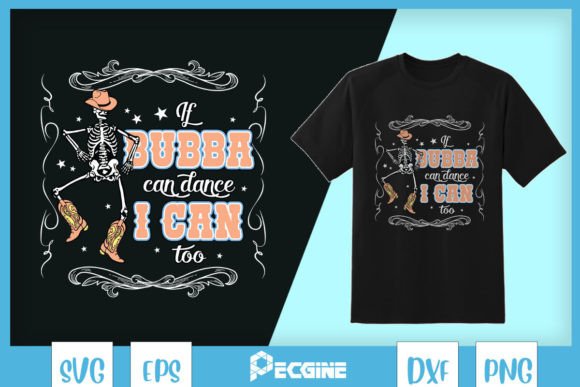
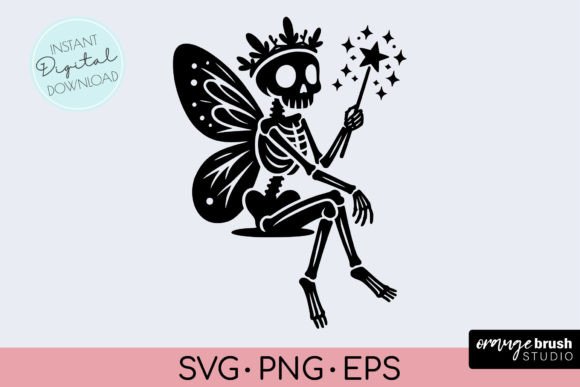
The initial visual impact of the Funny Skeleton SVG Fairy Skeleton SVG is undeniably playful. Unlike traditional skeletal imagery that leans heavily into horror, this design incorporates fairy elements—likely wings and perhaps a delicate wand or flower—to soften the edges. For a craft business owner targeting a younger demographic or parents looking for Halloween gear, this balance is crucial. The layout appears balanced, which is a good sign for hoop size planning. If the skeleton is too tall and thin, it risks distortion on curved surfaces like caps; if it is too wide, it may overwhelm smaller garments like baby onesies. Visually, the personality screams "quirky," suggesting it would shine best as a statement piece rather than a subtle background motif.
In the realm of Graphics and Crafts, the line between a printable image and an embroiderable one can be blurry. This file seems designed with clean lines, which is essential. Sharp corners in vector files often translate poorly into satin stitches unless carefully manipulated. My instinct tells me that the wing details will require a high-quality fill stitch conversion to avoid gaps, while the outline of the skeleton might benefit from a bold running stitch or a narrow satin border to define the shape against the fabric.
Real-World Application: From File to Fabric
To truly evaluate this design, I imagined a specific scenario: creating a limited run of custom tote bags for a local boutique. Tote bags are a staple for any Etsy seller because they offer a large canvas and practical utility. Placing the Funny Skeleton SVG Fairy Skeleton SVG on a natural cotton tote creates a striking contrast. The organic texture of the canvas complements the slightly edgy theme of the skeleton. In this context, the design elevates a basic commodity into a collectible item.
However, the application changes drastically depending on the substrate. If I were to use this for sweatshirt embroidery, I would need to be mindful of the fleece texture. Thick fabrics can hide fine details, so the intricate parts of the fairy wings might get lost in the nap of the material. Conversely, on a smooth jersey t-shirt, the same design could pop beautifully, provided the correct stabilizer is used to prevent puckering. For a personalized gift, such as a pillow cover or a kitchen towel, the design adds a unique conversation starter. It transforms a standard household item into something with character, increasing the perceived value for the buyer.
I also considered using this as an embroidered patch. Patches allow for higher density stitching without worrying about the garment's stretch. A dense, detailed version of the Funny Skeleton SVG Fairy Skeleton SVG on a felt backing could be sewn onto denim jackets or backpacks. This versatility makes it a valuable addition to a library of design assets, allowing a small shop owner to diversify their inventory without purchasing multiple new designs.
Navigating Challenges: Where Caution is Needed
Despite its appeal, there are scenarios where this design requires careful handling. The primary concern is always detail retention. If the fairy elements contain very thin lines or tiny text (if included), they may not stitch out cleanly on textured fabrics or dark materials. On dark fabric, you must ensure the thread colors provide enough contrast. A white fill stitch on black fabric works well, but complex gradients in the original graphic might need simplification to maintain clarity.
Another critical area is the hoop size. If the design is intended for a 4x4 inch hoop but includes intricate details, the density might become too high, leading to thread breakage or fabric distortion. Always check the dimensions before committing to a commercial embroidery run. Additionally, on stretchy fabrics like spandex blends, the tension required for the stitch density could cause the design to warp over time. Testing on scrap fabric is non-negotiable here. You must verify that the thread colors do not bleed through to the back of the shirt and that the stabilizer choice supports the weight of the design.
Curved surfaces present another hurdle. Attempting to embroider the Funny Skeleton SVG Fairy Skeleton SVG on a baseball cap requires a specialized cap hoop and potentially a resized version of the design. The curvature can distort the proportions of the skeleton's limbs or the fairy's wings if the digitizing isn't optimized for that specific surface. It is safer to use this design on flat areas or items specifically designed for curved embroidery.
Professional Notes for Designers and Makers
Before integrating this file into your workflow, follow these practical steps to ensure success. First, test the design on a scrap piece of the exact fabric you plan to use. This allows you to adjust the stitch density and observe how the threads interact with the weave. Second, review the color palette. While the SVG might look vibrant on a screen, certain thread shades can appear dull or muddy when stitched. Consider testing a black and white mockup to assess the contrast and shape definition without the distraction of color.
For those selling finished goods, confirm the licensing terms. The product description mentions receiving an SVG and EPS file, but it is vital to clarify if these are for personal use only or if they include a commercial license for selling handmade products. Many designers assume they can sell items made with purchased files, but restrictions vary. If you plan to sell the digital file itself or use it for printable mockups, ensure you have the right permissions.
Finally, think about the customer experience. Does the Funny Skeleton SVG Fairy Skeleton SVG align with your brand identity? If your shop specializes in elegant wedding gifts, this might feel out of place. But for a brand focused on fun, quirky, or seasonal decor, it fits perfectly. The goal is to create a cohesive collection where every item feels intentional. By evaluating the design's strengths and limitations, you can maximize its potential and deliver a high-quality embroidery project that stands out in a crowded market.
In conclusion, this design offers a refreshing take on skeleton motifs, blending humor with fantasy. With proper preparation and attention to technical details, it can become a standout piece in your portfolio. Whether you are a hobbyist making gifts for friends or a professional decorator fulfilling a large order, taking the time to understand how the file behaves in real life is the key to turning a simple graphic into a cherished textile creation.